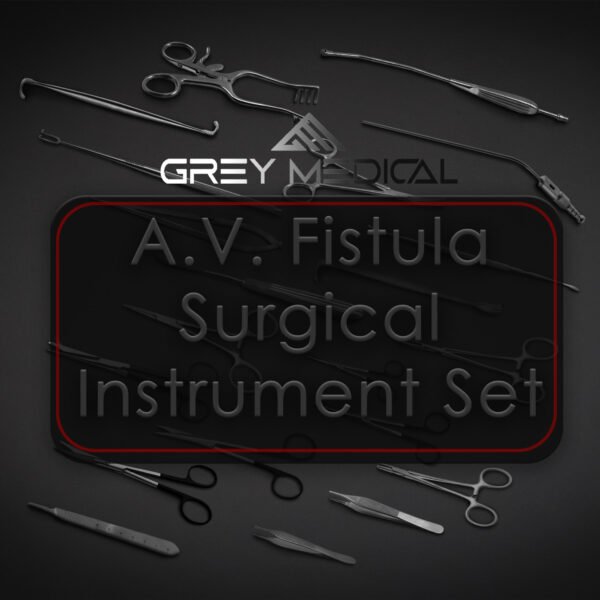
Successful plastic surgery depends on accuracy, control, and careful tissue handling. Surgeons work in delicate anatomical areas where even small movements can affect both function and appearance. That is why the design and quality of plastic surgery surgical instruments matter so much in every procedure. It also highlights the features that medical professionals look for when choosing tools for fine dissection, tissue elevation, suturing, contouring, and closure. From facial procedures to body reconstruction, the right instruments support better visibility, smoother technique, and more consistent outcomes.
Why Instrument Quality Directly Affects Surgical Performance
Plastic surgery often involves detailed work on soft tissue, skin, cartilage, and small vascular structures. Instruments used in these settings must offer excellent balance, refined tips, and dependable grip. When a tool lacks precision, it can reduce control and increase stress during critical surgical steps. High-quality plastic surgery surgical instruments help surgeons perform with confidence. Fine scissors must cut cleanly without dragging tissue. Forceps should provide secure handling without causing trauma. Needle holders need stable jaw alignment to support accurate suturing in both cosmetic and reconstructive procedures. These details may seem small, but they shape the overall surgical experience and can influence healing, symmetry, and scar quality.
Essential Features for Aesthetic and Reconstructive Procedures
Aesthetic and reconstructive surgeries require instruments that combine strength with finesse. In facial surgery, for example, surgeons often need delicate tools for working around thin skin and sensitive structures. In breast keyhole surgery, hand, or body procedures, they may need instruments that support deeper access and firmer tissue handling while still protecting surrounding anatomy. The best plastic surgery surgical instruments are made to meet these demands. Surgical-grade stainless steel remains a preferred material because it offers durability, corrosion resistance, and reliable performance through repeated sterilization cycles. Smooth finishes, ergonomic handles, and precise working ends also improve comfort and help reduce fatigue during long operations. When instruments feel consistent in the hand, surgeons can stay focused on technique and patient safety.
A Wide Variety of Instruments Supports Better Surgical Planning
Plastic surgery is not one single specialty with one standard tray. It includes facial aesthetic surgery, rhinoplasty, blepharoplasty, breast procedures, reconstructive operations, scar revision, skin grafting, and trauma-related repair. Each area calls for its own mix of retractors, elevators, forceps, scissors, clamps, dissectors, and needle holders. Because of this, providers need access to a broad and dependable range of plastic surgery surgical instruments. A surgeon performing rhinoplasty may prioritize fine dissecting scissors, osteotomes, rasps, and delicate forceps. A reconstructive specialist may need tools designed for flap elevation, tissue transfer, and layered closure. Variety is not simply about having more instruments. It is about matching the right design to the exact needs of the procedure so the surgical team can work with greater efficiency and accuracy.
How Precision Tools Support Tissue Protection and Better Outcomes
In plastic surgery, the visual result matters, but so does tissue preservation. Instruments should help surgeons separate tissue planes cleanly, minimize unnecessary trauma, and maintain a clear operative field. Better handling can support cleaner incisions, more accurate contouring, and precise wound closure. Well-crafted plastic surgery surgical instruments play a major role in that process. Delicate tissue forceps can improve grip while reducing crush injury. Fine scissors help create controlled dissection in tight spaces. Retractors improve exposure without excessive pressure on nearby tissue. When every instrument is designed for consistent performance, the surgical team can move through each step with better rhythm and control. That level of reliability is especially important in procedures where outcomes depend on detail, symmetry, and careful healing.
The Value of Consistency in Sterile Clinical Environments
Medical professionals need tools they can trust every day. In busy surgical settings, instruments must maintain alignment, edge quality, and structural integrity after repeated cleaning and sterilization. A well-made instrument should continue to perform without early wear, corrosion, or loss of precision. For this reason, healthcare facilities often look closely at manufacturing standards when sourcing plastic surgery surgical instruments. Consistency across instrument sets helps surgeons work faster and more confidently because they know what to expect from each tool. This matters in private aesthetic practices, hospitals, ambulatory surgery centers, and specialized reconstructive units alike. Dependable quality supports workflow, patient safety, and long-term value for the facility.
Choosing a Trusted Source for Surgical Excellence
The right supplier does more than provide instruments. A trusted surgical partner understands the high standards of plastic surgery and the importance of precision at every stage of care. Medical teams need products that reflect technical excellence, practical usability, and lasting quality. Grey Medical is committed to meeting those expectations with instruments designed for demanding clinical use. Whether the goal is refined cosmetic enhancement or complex reconstruction, the quality of the instrument set can support better control and a more efficient procedure. For surgeons who value performance, precision, and reliability, choosing the right tools is a critical part of delivering strong patient outcomes.
Conclusion
Plastic surgery demands more than standard surgical tools. It requires instruments built for delicate handling, clear access, accurate dissection, and dependable closure. From cosmetic procedures to reconstructive cases, quality instruments help support technique, safety, and results. When selecting surgical tools for this specialty, it is worth focusing on craftsmanship, material quality, ergonomic design, and procedural fit. Those factors can make a real difference in surgical flow and long-term performance. Grey Medical stands ready to support medical professionals with instruments designed for the exacting needs of aesthetic and reconstructive surgery.